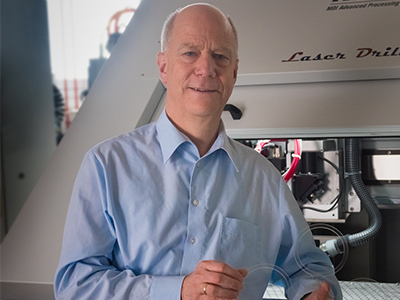
Ultra-thin glass processing from 30 µm
Glass thinner than paper — cut without a single particle. Below 0.3 mm glass behaves like a foil; MDI is one of a handful of companies worldwide that can cut it cleanly, mechanically or by laser.
Send us your specification →We are specialists for thin glasses
We process glass from 30 µm thickness with the highest quality.
Cutting ultra-thin glass is a highly specialized and precise process that requires the use of state-of-the-art machinery. Few companies in the world have the expertise and equipment to cut glass into ultra-thin dimensions, and we are proud to be one of them.
At MDI, we use the latest cutting-edge technology to ensure that our ultra-thin glass products are of the highest quality and meet the most stringent standards. Our state-of-the-art cutting tools and machines are capable of producing glass as thin as 0.030 mm or 30 µm.
What thin-glass processing does
Mechanical or laser — we choose the process by glass type, thickness and volume.
Mechanical scribing & breaking
Penett®, APIO® and SOLID-D® tools engineered for ultra-thin glass — mirror-quality edges.
Laser cutting
Contactless green or CO2 laser processing — no mechanical force on the glass.
No particles, no micro-cracks
Fewer failures in lamination, transport and bending.
Flexible glass
Edges that survive tight bending radii — down to r ≈ 1.5 mm on resin-laminated stacks.
Process window
Cutting tools for ultra-thin glass
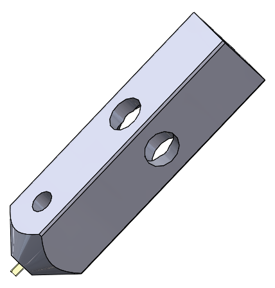
SOLID-D®
A new solution for cutting ultra-thin glass with a thickness of 10 – 100 μm. SOLID-D® and/or specially developed cutting wheels enable high-quality cutting. High quality cuts result in improved bending strength and reduced bending radius.
Features
- No particles, no microcracks — reduction of glass damage during processing steps after cutting or during transport.
- Highest bending strength after cutting — >200 MPa depending on glass thickness; “bendable glass” is becoming a reality.
- Ultra precision and high verticality — highest efficiency in cutting chips with small size.
- Mirror fine cut edges — no post-processing required after cutting.
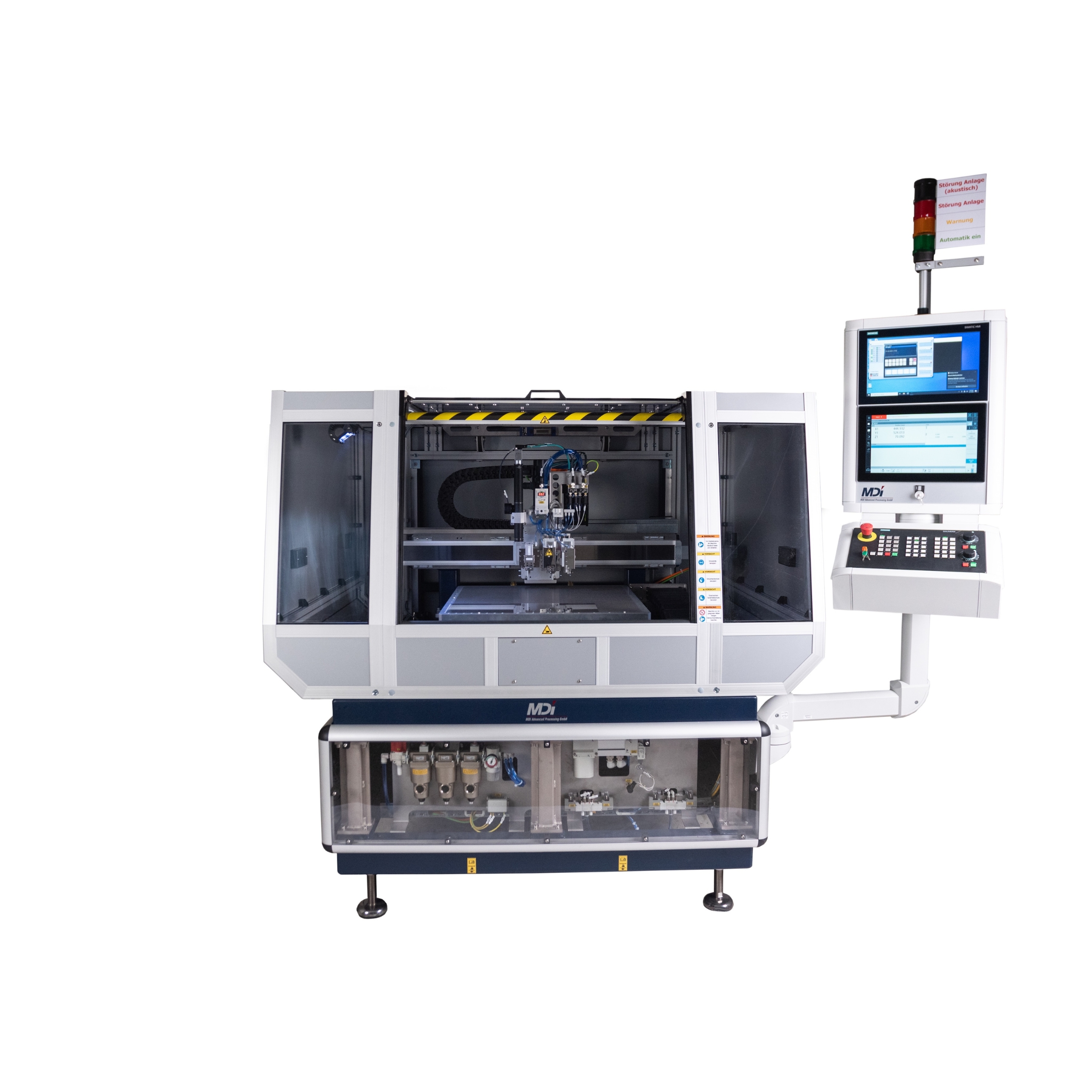
TGS 650
This compact system is a simple solution for cutting glass substrates in X-Y direction as well as for contour cutting using patented MDI Penett® and APIO® wheels — from 30 µm up to 2 mm.
- X-Y and free-shape cutting with one swivel cutting head (constant pressure)
- Small footprint due to compact design
- Camera alignment function optionally available
- Substrates up to 650 x 650 mm
Ultra-thin glass cutting on video
Watch how MDI cuts ultra-thin glass — mirror-quality edges, no particles, no micro-cracks.
Frequently asked Questions
What is ultrathin glass and how thin can it be?
Ultrathin glass refers to glass with a thickness below 0.3mm. MDI processes ultrathin glass from as thin as 0.030mm (30µm) up to 0.2mm – thinner than a human hair.
At these thicknesses, glass behaves almost like a flexible material and requires completely different processing methods compared to standard glass. Conventional mechanical tools simply cannot handle it without cracking or chipping.
What types of ultrathin glass does MDI process?
MDI processes a wide range of ultrathin glass types, including:
- Borosilicate glass (e.g. SCHOTT D 263)
- Aluminosilicate glass
- Alkali-free display glass
- Coated and TCO (transparent conductive oxide) glass
- Flexible glass substrates for roll-to-sheet applications
If you are unsure whether your specific glass type is compatible, contact us with your material specifications and we will advise you directly.
How does MDI’s experience make a difference for ultrathin glass?
MDI Advanced Processing was founded in 2005 as a joint venture between Mitsuboshi Diamond Industrial – the world’s leading manufacturer of glass cutting machines – and SCHOTT AG, one of the most respected specialty glass producers globally. This combination of machine engineering expertise and deep glass material knowledge is unique in the industry.
With 90+ years of glass cutting heritage and 30+ years of laser glass processing experience, MDI brings a level of process knowledge to ultrathin glass that most equipment suppliers simply cannot match. We understand not just the machines, but the material itself.
What cutting methods are available for ultrathin glass?
MDI offers two main approaches for ultrathin glass processing:
- Mechanical scribing & breaking – using precision cutting wheels specifically engineered for ultrathin glass. Our Penett® and APIO® wheels, and the SOLID-D® tool, generate controlled scores resulting in mirror-quality edges with no particles and no micro-cracks.
- Laser cutting – using green (532nm), picosecond IR or CO2 laser technology for contactless, dry cutting. Laser processing applies no mechanical force to the glass.
The best method depends on your glass type, thickness, required edge quality, and production volume. We help you identify the right solution.
What is SOLID-D® and what makes it different from standard cutting wheels?
SOLID-D® is a cutting tool developed by Mitsuboshi Diamond Industrial specifically for ultra-thin glass. It achieves results that standard cutting wheels simply cannot match:
- No particles, no micro-cracks – significantly reduces glass damage during subsequent processing steps and transportation
- Very high bending strength after cutting (>200 MPa, depending on glass thickness) – making truly flexible and bendable glass a commercial reality
- Mirror-quality cutting edges – no post-processing required after cutting
- Ultra precision and high verticality – highest efficiency for cutting small chips
- Same tool processes both 50µm and 100µm glass – no retooling required
- Achieves a bending radius as small as R≈1.5mm when used with resin laminated glass (PET + glass stack)
The SOLID-D® tool mounts on MDI’s TGS650 CE machine and is the go-to solution for flexible glass applications including foldable displays, flexible touch sensors, flexible lighting, and flexible PV cells.
What is the minimum thickness MDI can process?
MDI processes ultrathin glass from 0.030mm (30µm).
For reference, a standard sheet of office paper is approximately 100µm thick – our minimum is roughly one third of that. At 30µm, the glass must be handled with extreme care, and our systems are engineered to avoid any stress that could cause fracture.
What industries use ultrathin glass processing?
Ultrathin glass is a critical material in several high-growth industries:
- Consumer electronics – smartphone cover glass, camera lenses, fingerprint sensor covers
- Display technology – OLED and LCD display substrates, touch panel overlays
- Flexible electronics – foldable display panels, flexible touch sensor panels, flexible lighting
- Photovoltaics – thin-film solar cell substrates, flexible PV cells
- Semiconductor & microelectronics – wafer-level packaging, MEMS devices
- Medical devices – lab-on-chip substrates, microfluidic systems, diagnostic slides
- Automotive – HUD (heads-up display) glass, in-cabin display overlays
- Small glass windows – architectural and specialty applications
Can I test MDI’s ultrathin glass processing before investing in a machine?
Yes. MDI operates a dedicated job shop where you can have your first batches of ultrathin glass processed without purchasing any equipment. This is the ideal way to validate the process, test edge quality, and confirm yield rates before committing to a capital investment.
Simply send us your glass specifications and required geometry and we will produce samples for your evaluation. Contact us at sales@mdi-ap.com to get started.
What edge quality can be achieved with ultrathin glass cutting?
With the SOLID-D® cutting tool, ultrathin glass edges achieve mirror quality – visually flawless surfaces with zero particles and zero micro-cracks, plus very high bending strength after cutting (>200 MPa, depending on glass thickness). This enables truly flexible glass applications with bending radii as small as R≈1.5mm when combined with resin lamination. No post-processing is required after cutting.
For these industries
The same process, applied by industry — explore the dedicated pages.
Thin-glass processing on demand
Ultra-thin prototypes and series on our systems — chip-free, without buying a machine.
Send us your specification →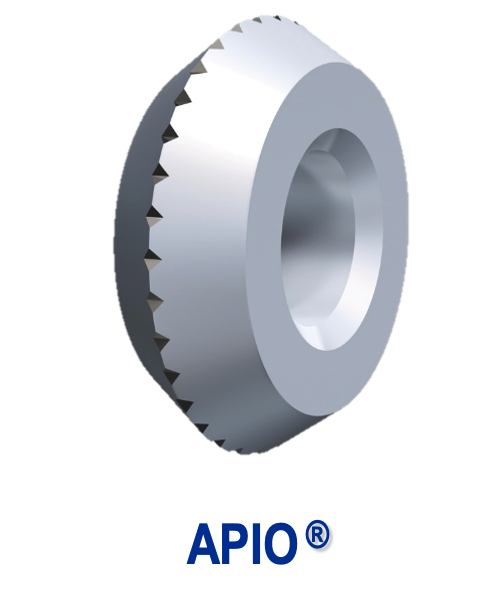
Thin glass to process? Let’s talk.